Media
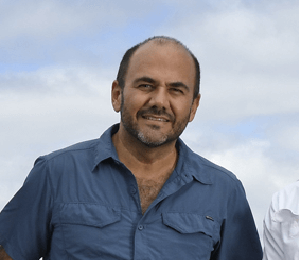
Interview with Vicente Bento
In this interview, Vicente Bento, Environment and Sustainability Manager at Red Sea International Airport, explains why the airport has joined Airport Carbon Accreditation at Level 1. He outlines the steps taken to enter the programme, discusses the airport’s plans for progressing through its levels, and reflects on how it intends to address its Scope 3 emissions.
Red Sea International Airport has recently joined Airport Carbon Accreditation at Level 1. What prompted you to take this first step in structured carbon management, and how does it align with your broader environmental strategy?
Red Sea International Airport (RSI) is a very young airport, we started operations in September 2023. From day one, the goal was to build something truly unique, where guests immediately feel they are entering a destination shaped by sustainability. This vision reflects the wider ambition of Red Sea Global, which seeks to push the boundaries of regenerative tourism and environmental leadership.
Joining Airport Carbon Accreditation was a natural step for RSI. It gives us a structured framework to measure, understand and reduce our emissions, but also allows us to lead by example within the aviation sector. Level 1 helps us set a clear pathway, supported by ambitious yet realistic goals that guide our long-term environmental strategy.
You have committed to achieving net zero carbon emissions by 2050. What concrete actions or projects have you already put in place to ensure progress toward that long-term target?
Our Carbon Management Policy, approved and signed by our CEO in June 2025, formalises our commitment to reach net zero by 2050. This aligns with both the Saudi Green Initiative and Red Sea Global’s commitment to achieving net-zero for Scope 1 and 2 by 2030, and for Scope 3 by 2050.
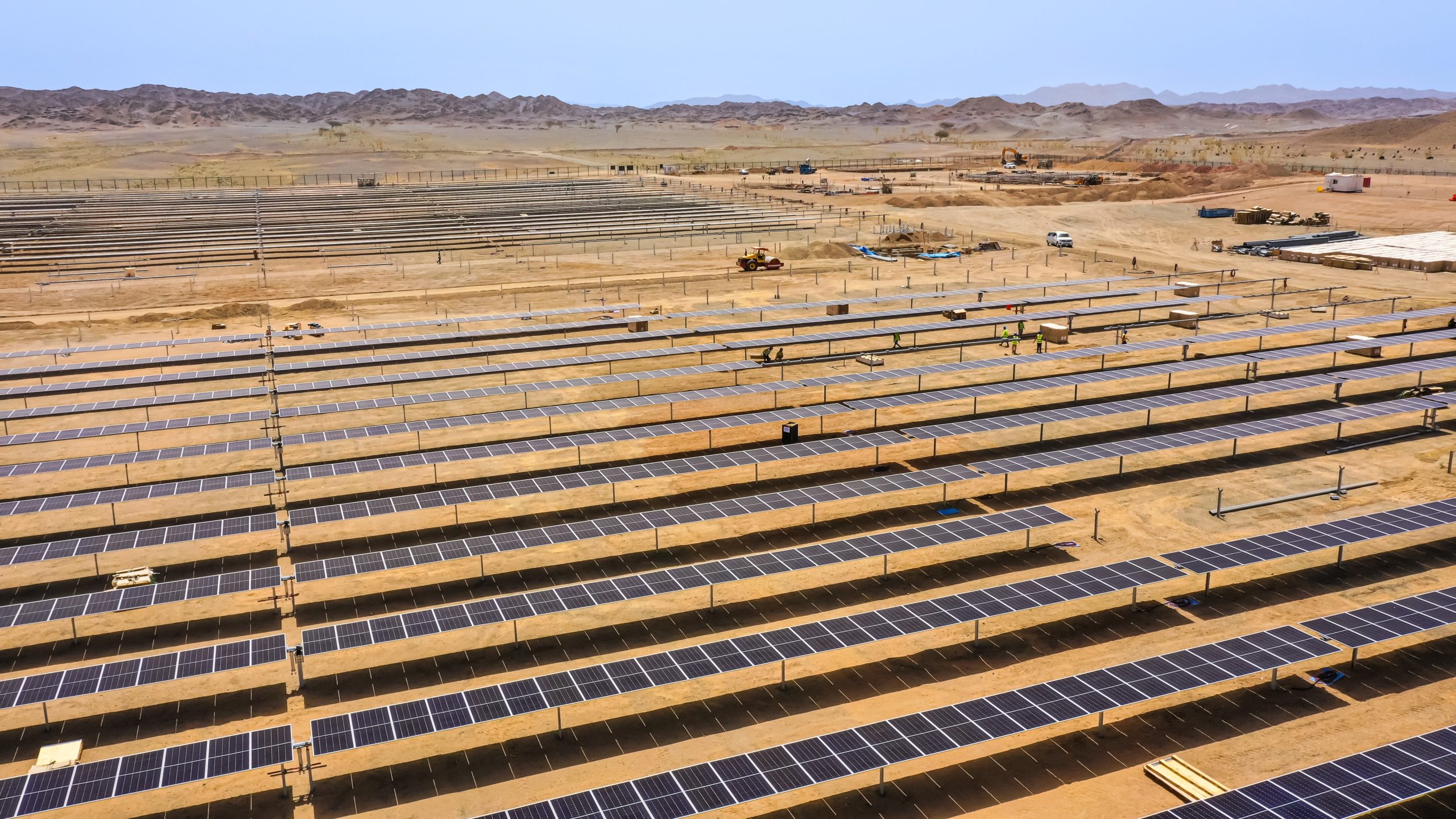 On the ground, we are already transforming this strategy into action. The Main Terminal Building which achieved LEED Platinum certification in October 2025, is powered by solar energy. Other sustainability features include high energy efficiency in HVAC systems, water savings, indoor environmental quality, and sustainable materials.
On the airside, we are maximising the use of electric and hybrid vehicles. We continue to replace combustion vehicles with electric vehicles, our electric apron buses for guest transport are a good example.
Beyond infrastructure, we are investing in awareness and capacity building. We hold weekly environmental awareness sessions with staff and stakeholders, and every month we host a Sustainability Stakeholder Meeting that brings together airlines, ground handlers, facility management, utilities providers and others. This collaborative approach ensures everyone understands their role and contributes to our collective effort.
Red Sea International Airport has recently introduced Sustainable Aviation Fuel for airlines refuelling on site. How is the airport supporting SAF uptake, from infrastructure planning to collaboration with airlines and fuel suppliers, and what future plans do you have to further expand its use?
RSI was the first airport in Saudi Arabia to supply SAF, marking a major step in supporting aviation decarbonisation. Our fuel supplier, APSCO, currently provides SAF with a 35% blending rate, which is available to any airline operating from RSI. It is currently used by Fly Red Sea, RSG’s seaplane company, and more recently Saudia began uplifting SAF from RSI for domestic flights.
Our role goes beyond supply—we work closely with our partners to ensure infrastructure readiness, operational coordination and awareness. As demand grows, we plan to scale up SAF availability and expand partnerships with more airlines and suppliers. SAF is a key pillar of our long-term emissions reduction strategy, and RSI is committed to being a national leader in its deployment.
Scope 3 emissions, which come from airlines, ground handlers, suppliers, passengers and other third-party activities at the airport, are often the largest share of an airport’s carbon footprint. What specific measures is Red Sea International Airport putting in place to encourage low-carbon practices among its business partners?
Scope 3 emissions make up a large part of our footprint, so collaboration is essential. Awareness and engagement are at the core of our strategy. We deliver frequent in-person and online sessions, publish a monthly Green Newsletter, and maintain our “Runway to Sustainability” communication platform to keep all stakeholders updated on environmental performance and best practices.
We work closely with RSG’s mobility team to optimise guest transport routes using fully electric vehicles. In the coming months, our ground handler will begin replacing diesel vehicles and Ground Support Equipment (GSE) with electric alternatives.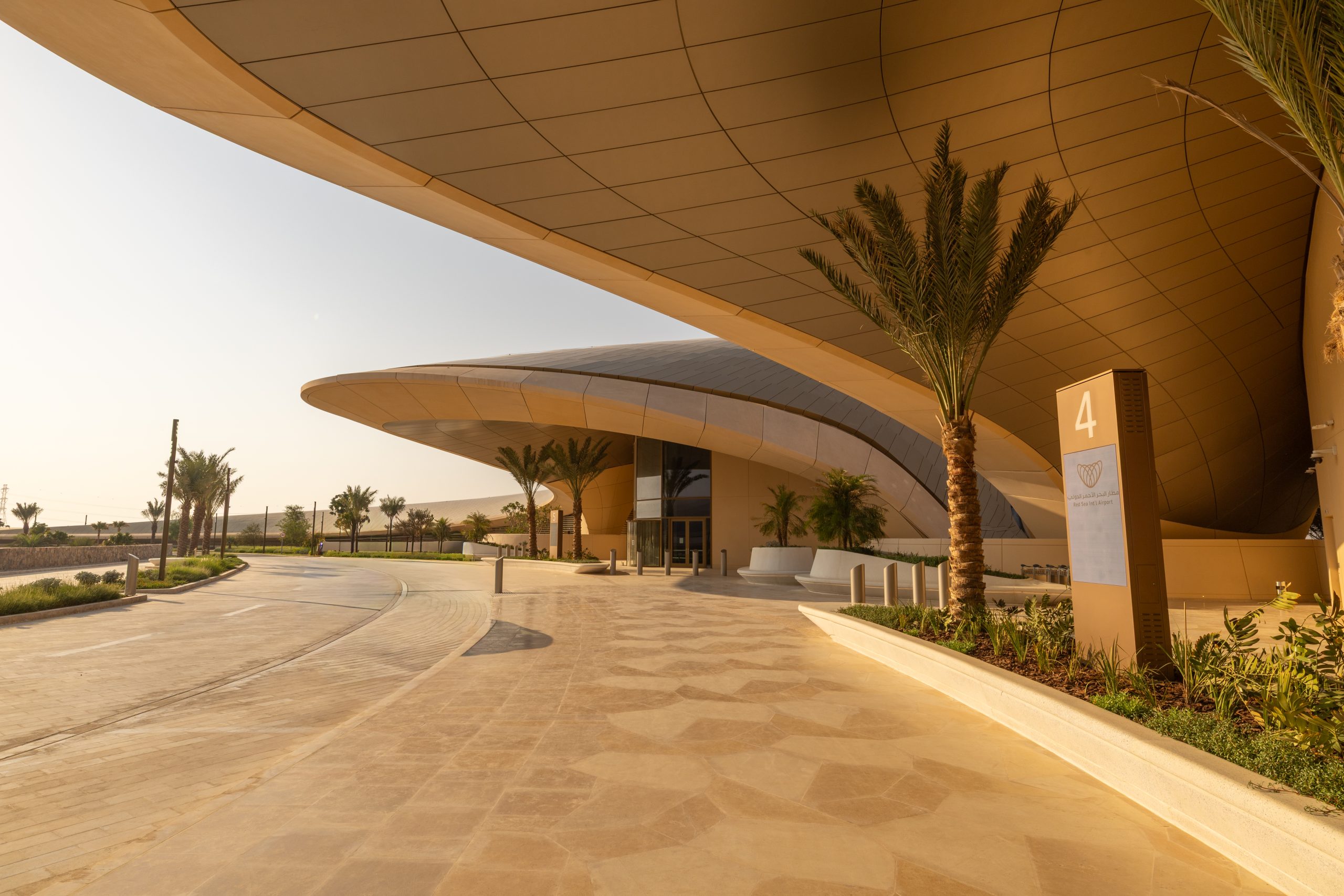
We are also strengthening waste management by coordinating with our FM partners and RSG utilities to improve segregation, collection and recycling. Our No Single-Use Plastic Policy further supports circular economy principles and reduces plastic-related emissions.
Together, those are some of many actions that help us reduce Scope 3 emissions in a practical and measurable way.
Looking ahead, what are the next steps for the airport within Airport Carbon Accreditation, and how do you plan to scale up your carbon management efforts from monitoring to actual emissions reductions?
Our roadmap is clearly defined in our Carbon Policy and Carbon Management Plan, and we aim to achieve the highest levels of Airport Carbon Accreditation in the coming year. These levels require a strong focus on actual emissions reductions, collaboration and continuous improvement.
To support this, we plan to establish a Carbon Management Committee—a cross-functional team responsible for data analysis, progress tracking, reduction actions, and stakeholder coordination. Sustainability cuts across every department, and only with collective commitment we can meet our ambitious targets.
What advice would you give to airports considering embarking on the journey to decarbonisation with Airport Carbon Accreditation?
Starting this journey can be challenging, but worth it. In my career, working both as a consultant and as a sustainability manager, I have seen how standards and certification schemes bring structure, credibility and confidence. They help airports stay accountable and demonstrate to passengers, communities and partners that sustainability is truly a priority.
My advice is to start early, build a strong internal culture around sustainability, and engage your stakeholders from the very beginning. Progress becomes much easier when everyone understands the vision and plays their part.
If you liked reading this, you might also enjoy: